
When choosing an ERP system, CFOs naturally spend a lot of time comparing features, pricing, and functionality. But there’s another decision that deserves just as much attention: Who is going to implement it?
That question can have a bigger impact than expected.
Some ERP vendors offer implementation for just a few thousand dollars and promise to have you up and running in four to six weeks. At first glance, that sounds like a great deal. But there’s an important distinction between installing an ERP system and actually implementing one.
And that distinction can get expensive.
Installation Isn’t the Same as Implementation
An inexpensive ERP deployment may get the software configured, provide some documentation, and leave your team to handle everything else.
That can include designing the chart of accounts, determining how revenue should be recognized, structuring financial reporting and consolidation, migrating and cleaning up data, and designing workflows.
In other words, the software may be installed, but the financial system hasn’t necessarily been properly implemented.
Modern technology can certainly make some of this work faster. AI can help with data migration and reconciliation. Templates can speed up configuration. APIs can connect systems.
But technology doesn’t replace the expertise needed to make important financial decisions.
How should your chart of accounts be structured? What reporting dimensions will you need as the business grows? How will your system handle a new entity or acquisition? Will your revenue recognition processes stand up to an audit?
Those decisions require experience and business knowledge.
A properly managed implementation puts those decisions in the hands of experienced ERP specialists. Your finance team provides the business context and validates the results. The implementation team handles the system architecture, configuration, migration, and workflow design.
That difference matters.
Where ERP Implementations Go Wrong
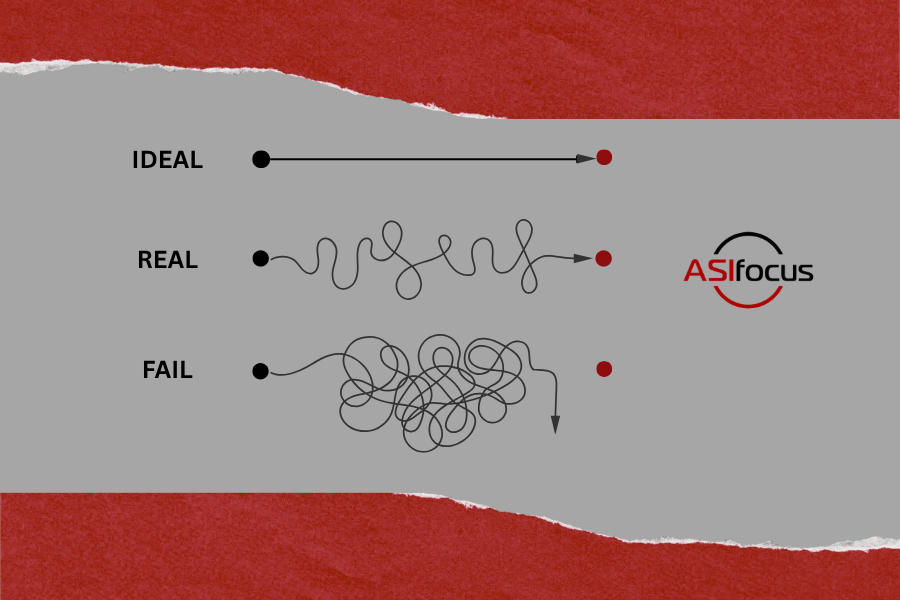
A failed ERP implementation doesn’t always mean the software itself failed. More often, the problem is how the system was implemented.
Data problems
Moving data from a legacy system isn’t as simple as transferring information from one database to another. Data needs to be mapped, cleaned, validated, and structured for the new system.
If that work is rushed—or handed to people who are already busy running the finance department—you can end up carrying old data problems into your new ERP.
Poor change management
An ERP system changes how people work. If there’s no plan for training, new processes, reporting, and responsibilities, employees tend to fall back on familiar habits.
You can wind up with a new system running old processes.
Inexperienced decision-making
ERP configuration decisions can affect your business for years. A chart of accounts that works today might not work when you add another entity. Reporting dimensions that seem sufficient now may become limiting as your product lines or locations expand.
When finance employees are expected to make those decisions while simultaneously closing the books, preparing for audits, and meeting their normal deadlines, shortcuts are almost inevitable.
The result? You may have a modern ERP with the same underlying problems you were trying to leave behind.
The Costs You Don’t See on the Proposal
A low-cost implementation can look attractive because the upfront price is easy to compare.
The problem is that the real costs often show up later.
Your team’s time. If your employees are responsible for configuration, data migration, workflow design, testing, and troubleshooting, they’re spending time on ERP work instead of their actual jobs. A professional implementation still requires your team’s involvement, but their role should be focused on providing business knowledge and making decisions—not becoming the implementation team.
Fixing what went wrong. If the system goes live with problems, you may need significant remediation. In more serious cases, the company may have to re-implement the system. That means paying for the work a second time, while also dealing with the disruption of fixing a system that was supposed to solve problems in the first place.
A system that can’t keep up. Perhaps the most frustrating outcome is an ERP that technically works but can’t support the business as it grows. Adding an entity, changing the business model, or making an acquisition can expose limitations that weren’t obvious at go-live.
At that point, rebuilding the system can be far more expensive than implementing it correctly in the first place.
Two Questions to Ask Before You Sign
Before choosing an ERP implementation partner, ask:
Who is making the important architectural decisions? Do those people have the experience to design a system that supports not just today’s business, but where you expect to be in three, five, or ten years?
What would starting over cost? Look beyond the initial implementation price. Consider employee time, remediation, delays, reporting problems, audit issues, and the possibility of having to rebuild the system.
That’s the number you should compare—not simply the difference between two proposals.
ERP implementation is a long-term business decision, not just an IT project. The right implementation can give your finance team a system that grows with the company. The wrong approach can leave you paying twice: once to get the system in place and again to fix it.
Choosing the Right ERP Implementation Partner
If your organization is considering Sage, choosing an experienced, certified Sage partner like ASI can help ensure the system is implemented around your business—not simply installed and handed over to your finance team.
The goal isn’t just to go live. It’s to build a financial system your business can confidently grow with. Contact us or schedule your free consultation today with questions or to get started with Sage.