An invoice asks for payment. A receipt confirms payment has been made. It sounds simple, but knowing when to use each document helps businesses keep accurate records, manage cash flow, and avoid confusion with customers.
Although invoices and receipts are both part of the payment process, they serve different purposes. Let’s look at how they work and why both matter.
What Is an Invoice?
An invoice is a document a seller sends to a customer requesting payment for goods or services. It outlines what was purchased, how much it costs, and when payment is due.
Invoices do more than tell customers what they owe. They also help businesses track sales, monitor outstanding payments, and manage cash flow.
Common invoice types include:
- Standard invoices: Request payment for goods or services provided.
- Recurring invoices: Bill customers regularly for subscriptions or ongoing services.
- Pro forma invoices: Provide an estimate before a sale is finalized or goods are delivered.
- Timesheet invoices: Detail charges for hourly work, such as consulting.
- Credit and debit notes: Adjust an amount previously billed, either reducing or increasing the balance owed.
- Final invoices: Summarize the remaining charges at the end of a project.
A professional invoice should include your business and customer details, an invoice number, the issue date, an itemized list of goods or services, the total due, payment terms, and accepted payment methods.
What Is a Receipt?
A receipt confirms that a payment has been made. It gives the customer proof of purchase and provides the business with a record for bookkeeping and tax purposes.
Receipts are especially useful for tracking expenses, processing returns, handling warranty claims, and resolving payment questions.
Common types include cash receipts, sales receipts, delivery receipts, electronic receipts, and donation receipts. The details vary, but the purpose is the same: to document a transaction or confirm that a payment or delivery occurred.
A receipt should identify the business and customer, describe the goods or services purchased, state the amount paid and payment date, and identify the payment method. Depending on the transaction, it may also include taxes, discounts, or an order number.
Invoice vs. Receipt: When Should You Use Each?
The main difference comes down to timing.
Send an invoice when you need to collect payment. Issue a receipt after payment has been made.
For example, a consultant might send an invoice after completing a project, with payment due in 30 days. Once the customer pays, the consultant can provide a receipt confirming the transaction.
In a retail store or café, payment usually happens immediately, so the customer typically receives a receipt at checkout.
Some transactions may require specific documentation under applicable laws or industry rules. When in doubt, check the requirements for your business and keep records of both the amount billed and the payment received.
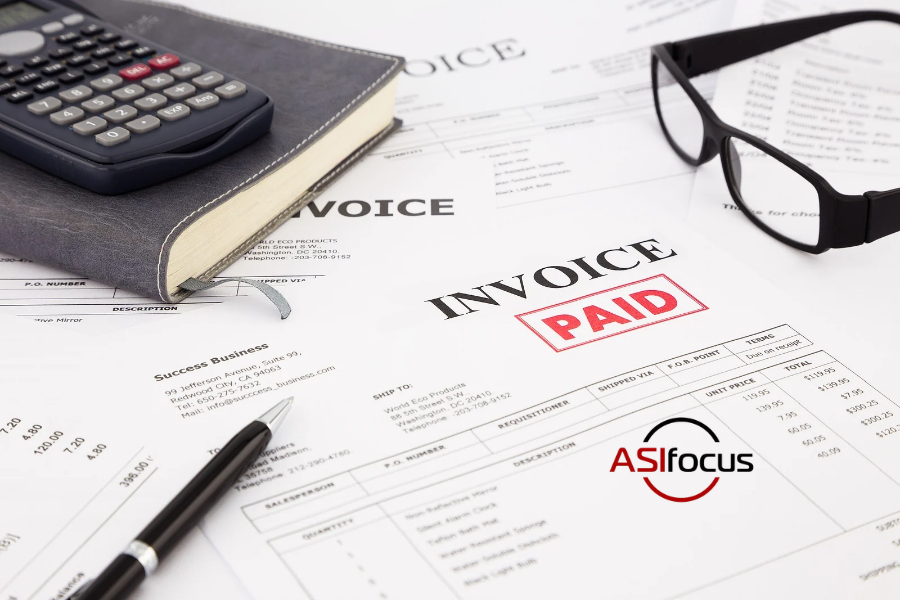
An invoice can sometimes double as a receipt if it’s clearly marked “paid” and includes the payment date and method. However, keeping separate records can make accounting easier, particularly as a business grows.
How Invoices and Receipts Work Together in Accounting
Invoices and receipts help businesses track money coming in and going out.
When you send an invoice for work that has been completed, the amount generally becomes accounts receivable—the money a customer owes you. When the customer pays, the payment is recorded against the outstanding balance.
Matching invoices with their corresponding payments helps businesses identify overdue accounts, catch billing errors, and reconcile financial records. It also provides a clearer picture of available cash and expected income.
Invoices and receipts are important for tax compliance, too. Invoices document sales and support applicable tax calculations, while receipts provide evidence of payments and business expenses. Keeping both organized makes it easier to respond to questions from customers, accountants, or tax authorities.
Record-retention requirements vary, so check the rules that apply to your business.
Common Mistakes to Avoid
A few misconceptions can create unnecessary bookkeeping headaches:
- An invoice doesn’t prove payment. It shows what a customer owes, not necessarily what they’ve paid.
- Receipts aren’t just for large purchases. They help document everyday transactions as well as major expenses.
- Invoices and receipts aren’t interchangeable. Each serves a different purpose, and confusing them can make financial records harder to reconcile.
Keeping both documents organized also helps resolve disputes. If a customer questions a charge, the invoice shows what was billed, while the receipt or payment record helps confirm what was paid.
Simplify Invoicing and Receipt Management with Sage
Creating invoices and tracking payments manually takes time, and small errors can lead to bigger bookkeeping problems.
Accounting software can simplify the process by helping businesses prepare invoices, manage recurring billing, track outstanding balances, and maintain organized financial records.
Sage accounting software helps businesses create and send invoices more efficiently, reducing administrative work and making it easier to stay on top of payments.
Whether you’re requesting payment or confirming that money has arrived, using the right tools helps keep your records accurate and your customers informed. That’s less time spent managing paperwork and more time focused on running your business.
Contact us or schedule your free consultation today with questions or to get started with Sage.