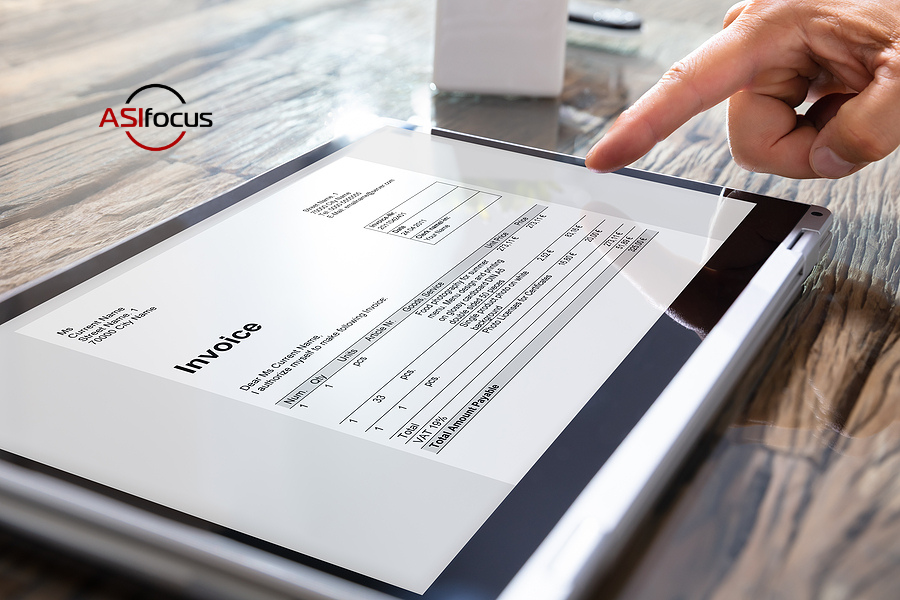
If you’ve worked in accounts receivable for any length of time, you’ve probably heard it more times than you can count: “We never received the invoice.”
At first, it might seem like a reasonable explanation. Emails do get lost, spam filters can be aggressive, and people change roles or leave companies. But when it starts happening over and over again—especially with the same customers—it can quickly feel less like a one-off issue and more like a convenient delay tactic.
Either way, the result is the same: delayed payments, extra follow-ups, and unnecessary frustration for your team.
The good news? There are some simple, practical ways to reduce the chances of this happening in the first place—and to handle it more effectively when it does.
Start with Your Subject Lines
Believe it or not, your email subject line plays a big role in whether your invoice is even seen.
If your subject line includes overly aggressive or “salesy” language like “Pay now” or “Urgent action required,” there’s a higher chance it could get flagged by spam filters. That means your invoice might never make it to the customer’s inbox at all.
Instead, aim for clarity and professionalism. A straightforward subject line like:
“Invoice #1234 from [Your Company Name]”
is much more likely to get through—and get opened. It tells the recipient exactly what the email is about without raising any red flags.
Keeping things simple here can make a bigger difference than you might expect.
Make Sure It’s Going to the Right Person
Sometimes, the issue has nothing to do with technology. The invoice might simply be going to the wrong person.
This happens more often than you’d think. Maybe your contact left the company, or perhaps you’ve been sending invoices to someone in sales instead of the accounts payable team. In other cases, internal responsibilities may have shifted, and no one thought to update you.
A quick check can save a lot of back-and-forth later. If you haven’t confirmed billing contacts recently, it’s worth reaching out and asking:
- Who should receive invoices?
- Is there a shared accounts payable inbox?
- Have there been any recent changes to the team?
Keeping this information up to date helps ensure your invoices land exactly where they need to go.
Ask Customers to Whitelist Your Email
Here’s a simple but often overlooked solution: ask your customers to add your email address to their contacts or safe sender list.
When they do this, it significantly reduces the chances of your emails being filtered into spam or junk folders. It’s a quick step on their end, but it can make a big difference in ensuring consistent delivery.
You don’t need to overcomplicate the request—just mention it during a call or include it in your email signature or onboarding process.
Use Technology to Your Advantage
If you’re still relying on manual processes, tracking down invoice issues can feel like chasing ghosts. You send the email, but after that, you’re left guessing—did they get it? Did they open it? Was it filtered out?
That’s where automation tools like Sage AR Automation come in.
With the right system in place, you gain much more visibility and control over the entire process. For example, you can:
- Track delivery: See when an invoice was sent and confirm it reached the recipient
- Resend instantly: If a customer claims they didn’t receive it, you can resend it on the spot while you’re on the phone
- Offer easy payment options: Provide a secure portal where customers can view and pay invoices via card or ACH
Instead of digging through sent emails or resending attachments multiple times, everything is centralized and accessible in real time.
That kind of visibility not only saves time—it also gives you confidence when responding to customer claims.
Stay Proactive During the Conversation
Even with the best systems in place, you’ll still occasionally hear, “We never received it.” When that happens, the key is to stay calm and keep things moving forward.
Rather than getting stuck in a back-and-forth, take action right away. While you’re on the phone (or in a live conversation), resend the invoice and ask the customer to confirm when it comes through.
This does two things:
- It resolves the immediate issue
- It removes any ambiguity about whether the invoice was delivered
If they receive it right away, you can gently reinforce that you’ll continue sending invoices to that same address moving forward—helping prevent repeat issues.
Shift From Reactive to Preventative
At the end of the day, the goal isn’t just to respond to delivery issues—it’s to prevent them from happening in the first place.
By tightening up your subject lines, verifying contacts, encouraging whitelisting, and using the right tools, you can dramatically reduce how often you hear that all-too-familiar excuse.
And when it does come up? You’ll be ready to handle it quickly, professionally, and without frustration.
Because the smoother your invoicing process is, the faster you get paid—and the less time you spend chasing down emails that may or may not have been “received.”
Contact us with questions about Sage AR Automation and/or schedule your free consultation today!