
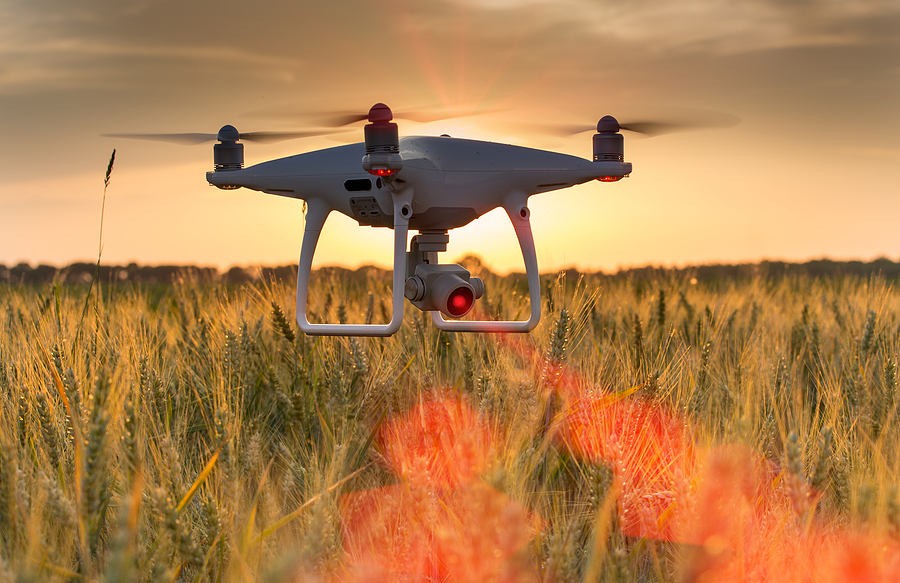
Today’s farmers aren’t just working the land—they’re working with data.
If you’re a farm owner, agribusiness leader, or IT decision-maker, you’ve probably felt the pressure mounting. Costs are rising. Weather patterns are unpredictable. Labor is tight. And demand? It’s only going up.
So how do you grow more food without simply working longer, harder, and burning out your land—or your people?
That’s where smart farming comes in.
What Smart Farming Really Means
Smart farming is exactly what it sounds like: using technology to make better, faster, more informed decisions. Instead of relying solely on experience and instinct (which still matter), you layer in real-time data, automation, and analytics to fine-tune every part of your operation.
We’re talking about tools like:
- IoT sensors that monitor soil moisture, nutrient levels, livestock health, and equipment performance.
- LiDAR technology that uses laser pulses—often from drones—to map fields, optimize irrigation, and prevent soil erosion.
- Robotics and autonomous machinery, including self-driving tractors and UAVs that seed, spray, or prune with precision.
- Cloud ERP systems with AI and machine learning, such as Acumatica, which pull all that data together so you can actually use it.
Think of your ERP as the central nervous system. Sensors and machines collect data. The ERP processes it. You get dashboards, reports, and insights that help you act quickly and confidently.
The shift is simple but powerful: farming moves from manual and reactive to precise and proactive.
Why the Push Toward Smart Farming?
The need is real—and urgent.
With more people to feed, farms must produce more with fewer inputs. Water is limited. Fertilizer costs fluctuate. Labor shortages aren’t going away anytime soon. Add climate volatility into the mix, and traditional methods alone just aren’t enough.
Smart farming helps you:
- Increase yields without expanding acreage
- Reduce waste in water, fertilizer, and chemicals
- Lower labor and operational costs
- Improve livestock longevity and health
- Strengthen resilience against climate shifts
It’s not just about efficiency. It’s about survival and sustainability.
Getting Started Without Disrupting Everything
Here’s the truth: implementing smart farming systems can feel overwhelming. It’s not just about buying new gadgets. It’s about integrating technology into the way your business runs every day.
The key is to approach it strategically.
1. Start With the Problem, Not the Technology
Before investing in sensors or software, define your biggest operational pain points.
- Are input costs too high?
- Is irrigation inconsistent?
- Are you lacking real-time financial visibility?
- Is equipment downtime hurting productivity?
Frame the problem clearly. Then design a pilot program with measurable success metrics. This keeps you focused and prevents overspending on tools that don’t solve the right issue.
2. Make Connectivity a Priority
Wireless sensor networks are the backbone of smart farming. If your connectivity is unreliable, your data won’t be either.
Secure, cloud-based systems ensure that information flows in real time—without creating data silos. Once your central system is stable and secure, you can map field coverage and choose the connectivity protocols that fit your terrain and acreage.
3. Ensure Everything Talks to Each Other
Interoperability is critical. New technology must integrate with existing machinery, inventory systems, and financial platforms.
Look for systems with open APIs. This allows information to flow seamlessly between sensors, drones, accounting, and operations. The result? Less manual entry. Fewer errors. Faster decisions.
4. Don’t Ignore the Human Side
Technology is only as effective as the people using it.
A strong change management plan can make or break your implementation. That means:
- Identifying internal champions who support adoption
- Offering short, focused training sessions
- Defining clear SOPs for data capture
- Building digital literacy across your workforce
Clear communication is essential. Let your team know what’s coming, why it matters, and how it benefits them directly. When people understand the “why,” resistance drops significantly.
What About ROI?
Let’s talk numbers.
Smart farming technology requires investment—hardware, software, connectivity, training. But the return can be substantial when implemented thoughtfully.
Real-time visibility alone can transform decision-making. Add in reduced input costs, improved yield quality, fewer labor hours, and better financial forecasting, and the ROI picture becomes compelling.
Using project cost and cash flow tracking tools—like project accounting modules within systems such as Acumatica—can help you model potential returns before full rollout. This makes budgeting smarter and lowers risk.
The most successful operations treat technology as a long-term asset, not a short-term expense.
Overcoming Common Challenges
No transformation is friction-free. Smart farming comes with challenges, but they’re manageable.
Phased Rollouts
Instead of digitizing everything at once, start small. Test a pilot in one field, one herd, or one facility. Refine. Adjust. Then scale.
This reduces disruption and builds confidence.
Clear Communication
Uncertainty breeds resistance. Explain the purpose behind new tools and outline the tangible benefits employees can expect. Pair communication with strong training programs to close skill gaps early.
Unified Platforms
Fragmented systems create complexity. A unified, cloud-based ERP platform brings operational, financial, and sensor data into one environment. That centralization reduces errors, eliminates silos, and simplifies growth.
Sustainability and Scalability
One of the most powerful benefits of smart farming is sustainability.
Precision tools make sure that water, fertilizers, and pesticides are used exactly where they’re required. That reduces waste, lowers environmental impact, and improves compliance with evolving regulations. It also builds climate resilience—something every farm needs today.
And smart farming isn’t just for massive enterprises.
Cloud ERP platforms and flexible IoT solutions make digital transformation accessible for small and mid-sized agribusinesses. Automation helps smaller operations compete with larger producers by lowering costs and increasing operational control.
Smart Farming Levels the Playing Field
Smart farming isn’t about replacing farmers with machines. It’s about empowering farmers with better information.
When sensors monitor your fields, drones map your terrain, robotics handle repetitive tasks, and ERP systems unify your data, you gain something invaluable: clarity.
- You see what’s happening in real time.
- You understand costs and margins instantly.
- You optimize inputs precisely.
- You plan for the future confidently.
In a world racing toward 9.7 billion people, that kind of clarity isn’t optional—it’s essential.
The future of agriculture won’t be defined by who works the hardest. It will be defined by who works the smartest.
Contact us or schedule your free consultation today!